


Laser Hair Removal
May 15, 2026
1
min. to read
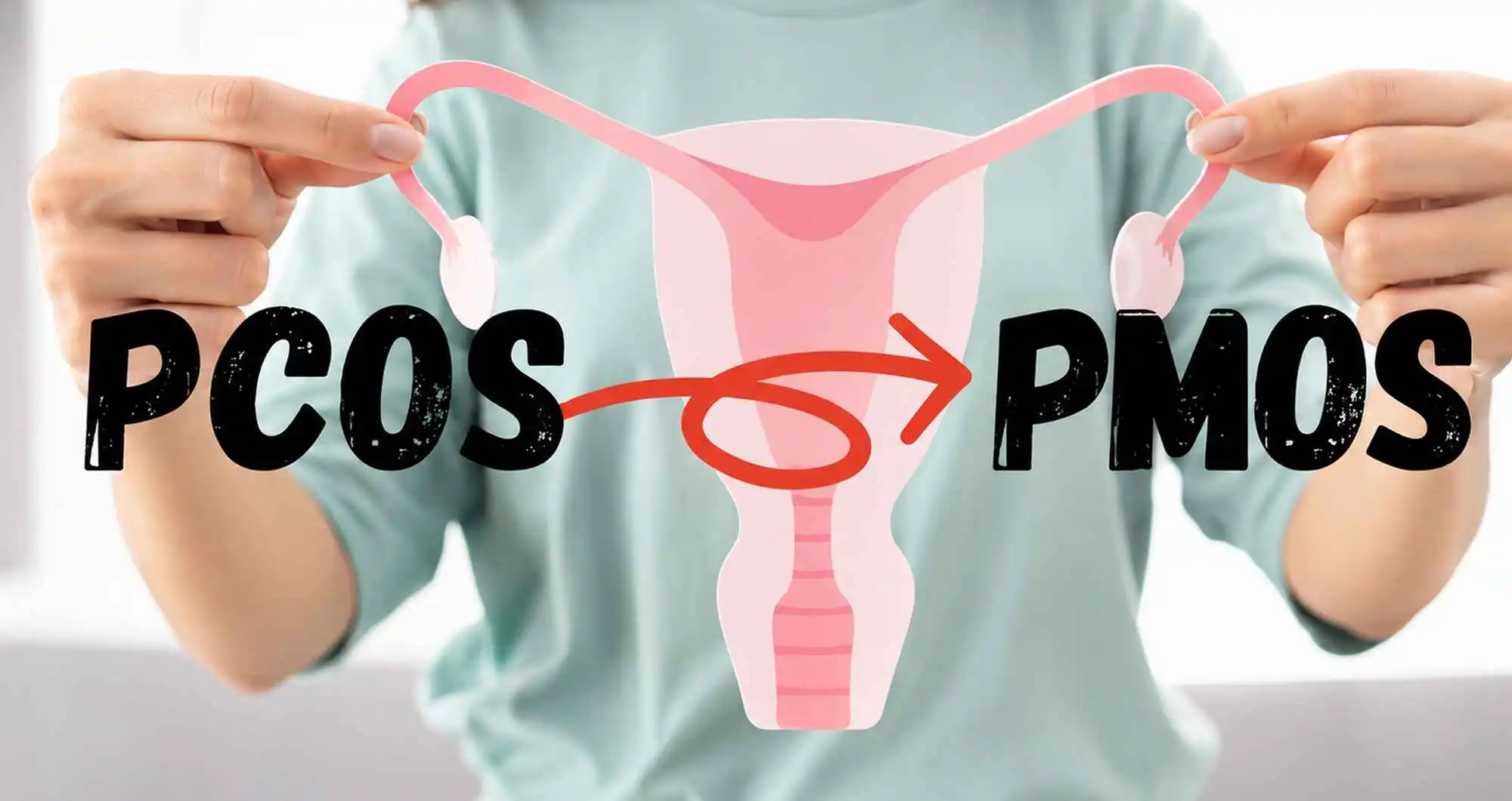
Goodbye PCOS, Hello PMOS: What the Name Change Means for You
You've been to four doctors. You've been told to "just lose weight." You've been put on the pill without much explanation. You've googled your symptoms at 2am the acne that won't clear, the hair growing where it shouldn't, the periods that show up whenever they feel like it and every result points to something called polycystic ovary syndrome.
But even after a diagnosis, something doesn't add up. Because your fatigue isn't an ovary problem. Your anxiety isn't an ovary problem. Your creeping blood sugar levels aren't an ovary problem.
So why has the medical world been treating it like one?
As of 12 May 2026, they've stopped. PCOS has been officially renamed polyendocrine metabolic ovarian syndrome, PMOS. And for the roughly 1 in 10 women and people with ovaries affected worldwide, this isn't just a rebrand. It's a reckoning.
Could This Be You?
PMOS is one of the most common hormonal conditions on the planet, yet it's still massively underdiagnosed. Research shows a third of women waited over two years and saw three or more health professionals before anyone gave them an answer. Some waited up to 13 years.
Here are some of the signs:
- Irregular, infrequent, or absent periods
- Stubborn weight gain, especially around the midsection
- Hormonal acne that keeps flaring along the jawline and chin
- Excess hair growth on the face, chest, or back (called hirsutism and yes, it's incredibly common)
- Thinning hair or hair loss on the scalp
- Darkened patches of skin around the neck or underarms
- Difficulty getting pregnant
- Fatigue that sleep doesn't fix
- Anxiety or low mood that feels constant and hard to explain
If several of these hit close to home, please don't sit on it. Book a GP appointment and bring it up we'll talk about exactly what to say further down. And if unwanted hair growth is the one that's been getting to you most, we've written a whole deep dive on why PCOS facial hair is so much harder to treat and what actually works.
Why the Old Name Had to Go
The name "polycystic ovary syndrome" dates back to 1935, when two Chicago surgeons Irving Stein and Michael Leventhal noticed small sac-like structures on their patients' ovaries during fertility investigations. They assumed they were cysts, and the name was born.
Except those structures weren't cysts. They were follicles a completely normal part of ovarian anatomy that just weren't developing properly. And the condition itself was never just about the ovaries.
But the name stuck. And it did real damage.
Because "polycystic" put ovarian cysts front and centre, women who didn't show cysts on an ultrasound were routinely dismissed even when they had every other symptom in the book. If your scan looked "normal," you were sent home. Meanwhile, the metabolic side insulin resistance, heightened risk of type 2 diabetes, cardiovascular disease was treated as a footnote.
In the UK specifically, many women describe a frustrating loop: GP to gynaecologist and back, with no one looking at the full picture. The NHS has been improving its PCOS pathways, but the old name made it far too easy for the condition to be siloed into "women's health" and nothing more.
Nearly half of women in studies said they were dissatisfied with their diagnosis experience and the information they received. That's not a knowledge gap. That's a systemic failure. And 86% of patients and 71% of clinicians agreed the name needed to change.
So What's Changed?
The effort to rename this condition took 14 years. It was led by Professor Helena Teede at Monash University in Australia, alongside 56 patient and professional organisations including the Androgen Excess and PCOS Society and the Endocrine Society. Over 22,000 people patients, clinicians, and researchers contributed from across the globe through surveys, workshops, and consultations.
On 12 May 2026, the results were published in The Lancet and presented at the European Congress of Endocrinology in Prague: the new name is polyendocrine metabolic ovarian syndrome (PMOS).
Every word was chosen deliberately:
Polyendocrine means it affects multiple parts of the hormonal system, not just the ovaries including the adrenal glands, pituitary gland, and insulin signalling.
Metabolic puts the spotlight on blood sugar, insulin, cholesterol, and cardiovascular risk. These aren't side effects. They're core features.
Ovarian stays because reproductive symptoms are still a key piece for many people. But it no longer dominates the name.
Syndrome signals that PMOS is a collection of interconnected symptoms, not a single disease with one cause.
Here's the simplest way to understand what's actually happening in the body: too much insulin confuses the ovary into producing too much testosterone. And it's that excess testosterone that drives the symptoms the hair growth, the acne, the irregular periods, the weight gain. The old name pointed at the ovaries. The new name points at the actual cause.
The Mental Health Crisis Hiding Inside PMOS
Here's the part that gets overlooked the most.
Women with PMOS are three to eight times more likely to experience clinical anxiety and depression. Nearly half report significant depressive symptoms. Around 40% experience anxiety. And those numbers climb even higher for younger women and those from minority ethnic backgrounds.
The visible symptoms hirsutism, acne, weight changes, hair thinning take a direct hit on body image and self-esteem. Add in years of being dismissed by doctors, and it's not hard to see why so many women describe feeling broken, frustrated, and alone.
Yet because the old name framed it as a gynaecological condition, mental health screening was rarely part of routine care. The rename changes that framing. When a condition is officially recognised as multisystem, there's a much stronger case for mental health support to be built into treatment from day one not offered as an afterthought.
What This Means If You're Already Diagnosed
Your diagnosis hasn't changed. You still have the same condition it just has a name that finally describes what's going on.
There's a three-year transition period to update clinical guidelines, medical education, and disease classification systems across 195 countries, so you'll see both "PCOS" and "PMOS" used for a while. That's normal.
But here's why this moment matters for you: it's the perfect excuse to go back to your GP and push for the full picture. If your care has mainly focused on periods or fertility, ask about the rest. Metabolic screening, mental health, skin, hair it's all part of it now, officially.
It's also worth knowing that treatment options go beyond the pill. Depending on your symptoms, your GP can discuss insulin-sensitising medications like Metformin, androgen-blocking treatments, lifestyle support, and referrals to specialists across endocrinology, dermatology, dietetics, and psychology.
What to Actually Say to Your GP
We know how hard it can be to feel heard in a ten-minute NHS appointment. So here are some lines you can take in with you literally print this section if it helps:
If you suspect you have PMOS:"I've been experiencing [list your symptoms]. I've read that PCOS has been renamed to PMOS and is now understood as a hormonal and metabolic condition, not just an ovarian one. Could we do a full hormone panel and check my insulin and metabolic markers?"
If you're already diagnosed but only getting basic care:"I was diagnosed with PCOS a while ago, but I've only been managed for [periods/fertility/acne]. Given the rename to PMOS and the updated understanding, could we review my care plan? I'd like to be screened for insulin resistance, cholesterol, blood pressure, and I'd also like to talk about my mental health."
If you've been dismissed before:"I know my ultrasound didn't show cysts last time, but the condition has been renamed because cysts aren't actually required for diagnosis. I'd like to be assessed based on the full criteria hormones, metabolic markers, and symptoms."
You deserve to be taken seriously. Full stop.
What You Can Do Right Now
Get informed. Patient communities like Verity (UK) and PCOS Challenge (US) are brilliant for support, resources, and connecting with people who get it.
Push for comprehensive care. Ask about endocrinology referrals, metabolic screening, and mental health support. Don't let anyone reduce your experience to just one symptom.
Tackle the symptoms that affect your daily life. For a lot of people with PMOS, that's hirsutism. Shaving and waxing are temporary fixes that often make things worse ingrown hairs, irritation, the emotional drain of doing it every single day. Medical-grade laser hair removal is one of the most effective long-term solutions for hormone-driven hair growth. It's exactly why we created our PCOS Membership at Laser Me Out ongoing sessions designed to work with hormonally driven hair, not against it. If you want to chat about what laser could do for you, book a consultation at our London or Birmingham clinic. No pressure, just honest advice from people who understand.
Share this post. One in ten women are affected and many don't know it. You might be the reason someone finally gets their diagnosis or finally feels seen.
The Bottom Line
For decades, a misleading name shaped how this condition was understood, studied, and treated. It put ovarian cysts at the centre of something that was never really about ovarian cysts. PMOS puts the full picture in the frame. The hormones. The metabolism. The mental health. The lived experience.
It's a name that finally tells the truth. And sometimes, that's where better care starts.
share
interesting article on the same topic
Laser Hair Removal
September 25, 2026

Full Body Laser Including Face £999
Full body laser including face: six sessions for £999 at Laser Me Out Monument and Birmingham. Find out which areas to choose and what to expect.
read more
Laser Hair Removal
September 18, 2026
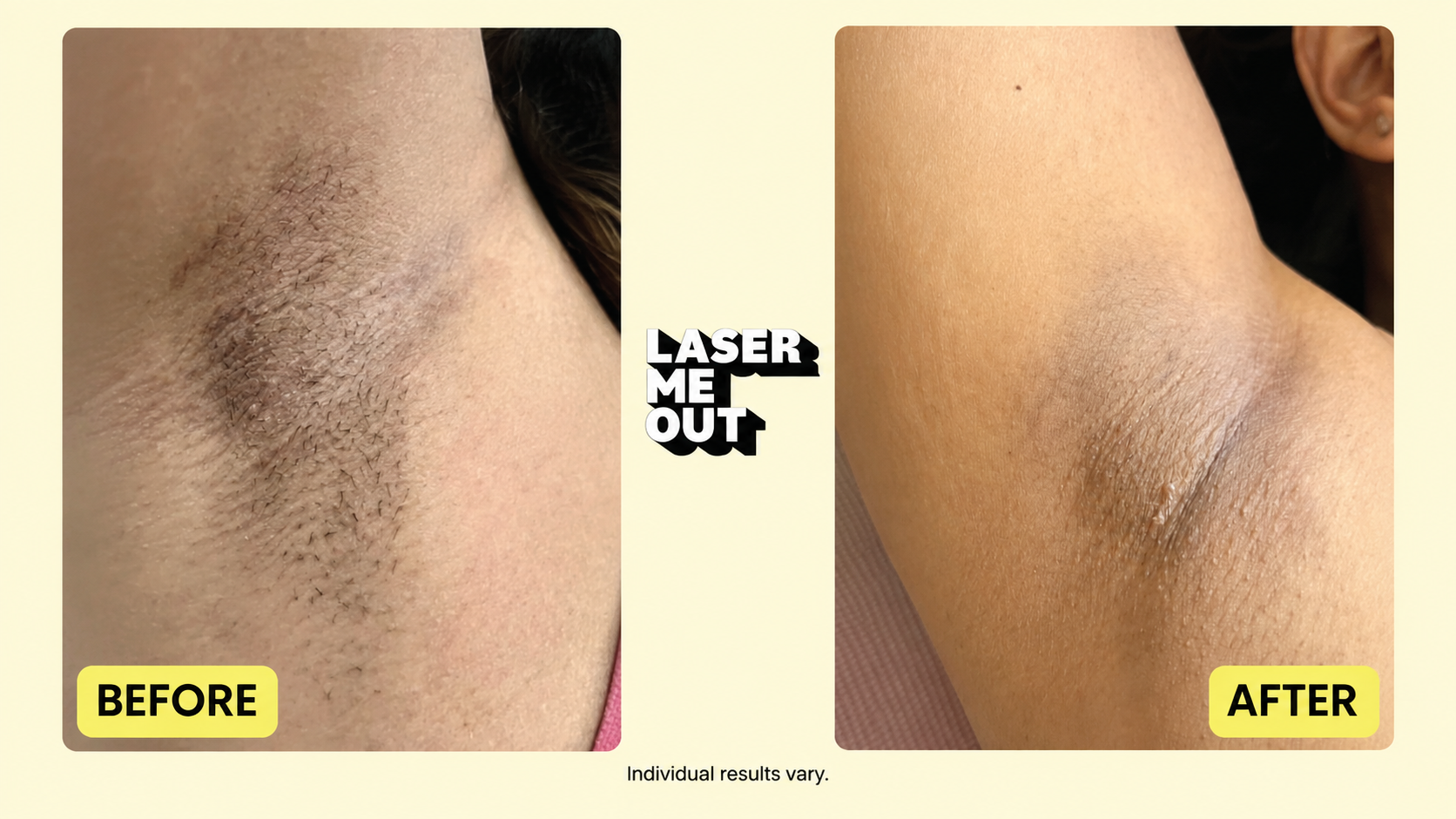
Your Guide to Less Shaving
Learn about underarm laser hair removal and our £450 offer: six sessions on any large area plus six free underarm sessions, with consultation and patch test.
read more
Laser Hair Removal
September 11, 2026

Full Body vs Pick & Mix Laser Hair Removal
Compare Full Body, Pick & Mix and individual laser hair removal courses at Laser Me Out. See September prices for Monument, Baker Street and Birmingham.
read more
Laser Hair Removal
September 4, 2026
.jpg)
Laser Hair Removal Before Your Wedding
Planning laser before your wedding? When to start, when your final session should be, which areas to prioritise, and why you don't have to wait until winter.
read more
Laser Hair Removal
August 28, 2026
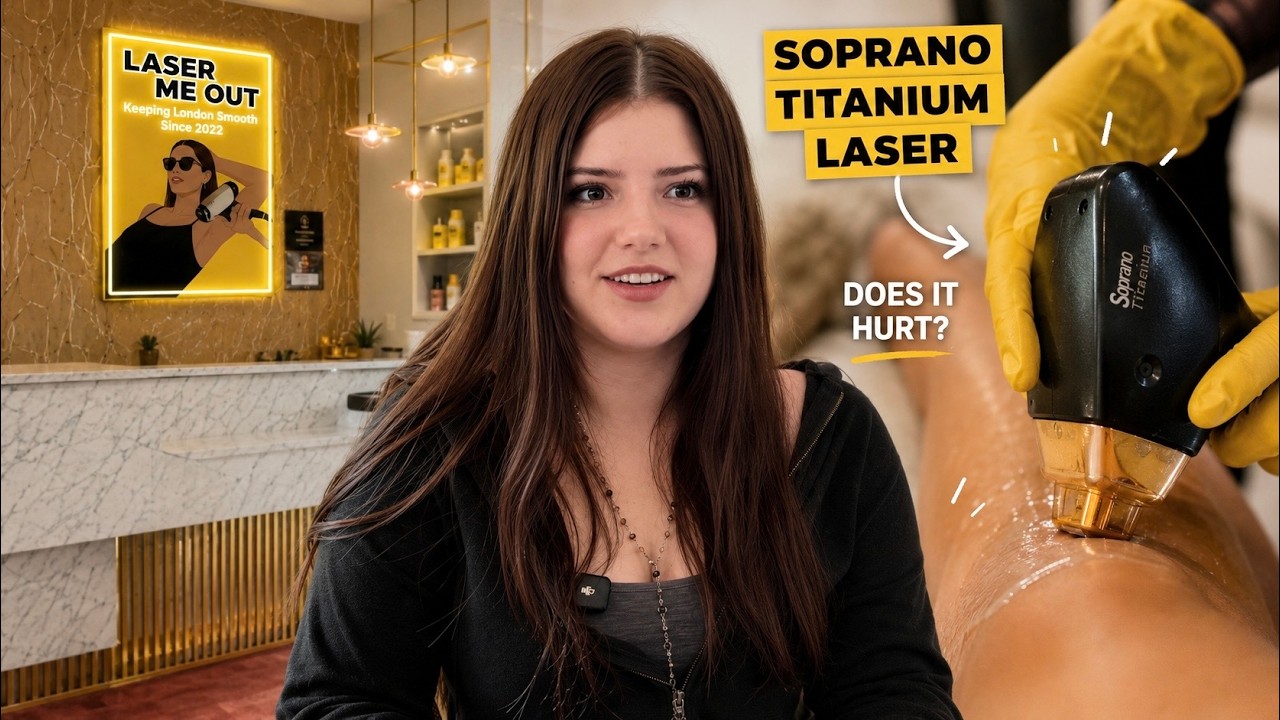
Why September Is the Right Time to Start Laser Hair Removal
Start laser hair removal in September and finish your course before summer. Growth cycles, session spacing, prep and aftercare explained.
read more
Laser Hair Removal
August 21, 2026
.jpg)
Looking for Laser Hair Removal Near Monument? 7 Things to Check
Comparing laser hair removal near Monument, Bank or Cannon Street? Here are 7 things to check before choosing a clinic, from the laser machine and patch test to therapist experience and location.
read more
Laser Hair Removal
August 14, 2026

Can You Get Laser Hair Removal on Your Lunch Break? A Guide for City of London Workers
Work near Bank or Monument? Find out how laser hair removal fits around your working day, how long appointments take and why we opened Laser Me Out Monument
read more
Laser Hair Removal
August 7, 2026

Laser Hair Removal in Monument and the City of London
Laser Me Out is now open at 36 St Mary at Hill, EC3R 8DU. Soprano Titanium for all skin tones, minutes from Monument, Bank and Cannon Street. Book a consultation
read more
Laser Hair Removal
August 1, 2026
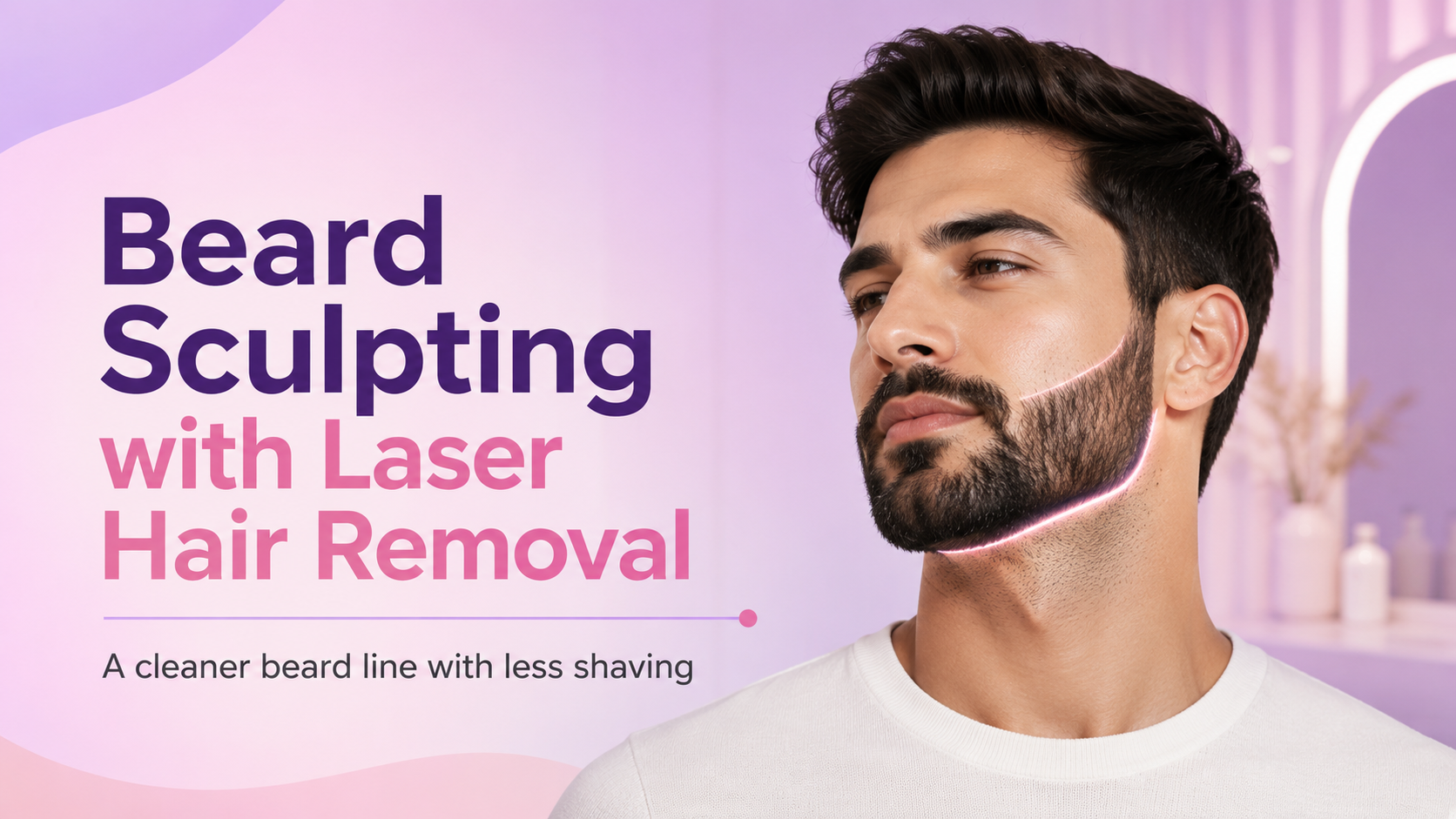
Beard Sculpting with Laser Hair Removal
Laser beard sculpting reduces hair on the neck, cheeks and jaw so your beard line stays sharp without daily shaving.
read more
Laser Hair Removal
July 24, 2026

hollywood-vs-brazilian-laser-hair-removal
Hollywood removes all the hair. Brazilian leaves a strip or shape at the front. Here's exactly what each one covers at Laser Me Out
read more
Laser Hair Removal
July 17, 2026
.jpg)
Why Is a Laser Clinic Selling a Razor?
Laser hair removal reduces the need to shave over time, but shaving is still part of every treatment course. Here is why we made the Laser Razor, how it supports pre-laser prep, and what makes it different from a basic disposable razor.
read more
Laser Hair Removal
July 10, 2026

Why the World's Best Athletes Go Hair-Free And Where They Go to Do It
When World No. 1 Aryna Sabalenka walked into Laser Me Out during Wimbledon fortnight, she confirmed something the sporting world has known for years: for elite athletes, hair-free isn't vanity it's performance
read more
Laser Hair Removal
June 26, 2026
.png)
2026 Pubic Hair Trends: Bush, Brazilian & Bare | Bikini Laser London & Birmingham
The biggest pubic hair trend of 2026 isn't one look it's choice. Bush, strip or bare, here's what's changing
read more
Laser Hair Removal
June 19, 2026
.png)
Best Areas to Laser in Summer | Laser Hair Removal Guide
Can you have laser hair removal in summer? Yes the best areas to treat now, and how to stay sun-safe.
read more
Laser Hair Removal
June 12, 2026
Your First Laser Hair Removal Session: Everything You're Wondering
Googling: does it hurt, is a Hollywood awkward, can you train after, and why your hair "growing back" two weeks later is actually good news.
read more
Laser Hair Removal
June 5, 2026
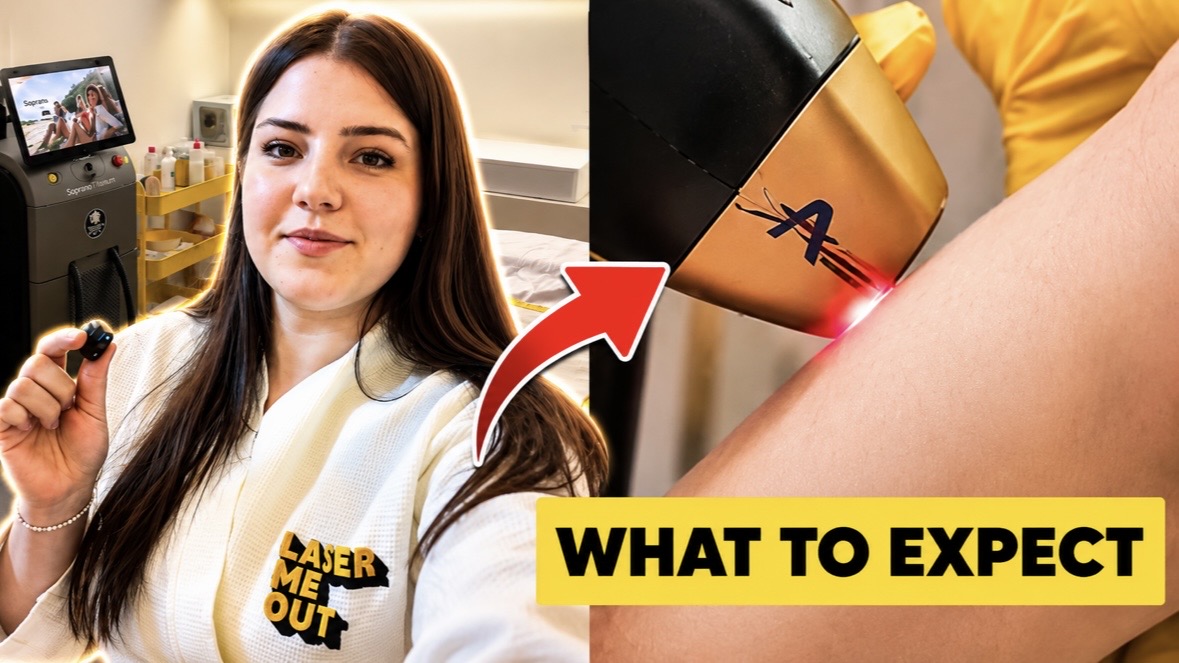
What Really Happens at Your First Laser Hair Removal Consultation: A London First-Timer's Guide
Nervous about laser hair removal? See exactly what happens at your consultation and patch test at our London clinic step by step, with zero surprises.
read more
Laser Hair Removal
May 29, 2026

PCOS, Pregnancy and Laser Hair Removal: Why Hormonal Hair Growth Needs More Support
PCOS, pregnancy and hormone changes can affect hair growth. Here is why Laser Me Out supports hormonal hair with Soprano Titanium, honest advice and flexible treatment plans
read more
Laser Hair Removal
May 15, 2026
Goodbye PCOS, Hello PMOS: What the Name Change Means for You
PCOS has been officially renamed PMOS. Here's what it means, why it matters, and what to do next whether you're diagnosed or wondering if you should be.
read more
Laser Hair Removal
May 7, 2026

Can Pregnancy Reverse Your Laser Hair Removal? Here's What Really Happens
Did pregnancy undo your laser results? Spoiler: probably not. Laser Me Out breaks down what actually happens to your treated follicles, where all that new hair is coming from, when to restart sessions after baby, and why most mums only need 2–3 top-ups to get back to smooth.
read more
Laser Hair Removal
May 1, 2026
How Many Laser Hair Removal Sessions Do You Need?
Most people need 6–10 laser hair removal sessions. See results by body area, what affects session count, and how LMO's dry brushing prep gets you there faster.
read more
Laser Hair Removal
April 24, 2026
.webp)
Post-Laser Hair Removal Aftercare: What To Do After Your Session
Laser Me Out covering what is normal after laser hair removal, what to avoid, how to look after your skin, and when to contact the clinic.
read more
Laser Hair Removal
April 17, 2026

The Post-Laser Care Guide: From Day 1 to Your Next Session
Think laser hair removal ends when you leave the clinic? Here's what to actually do after — from shedding to skincare, gym to pool, and every mistake to avoid.
read more
Laser Hair Removal
April 10, 2026

Can You Get Laser Hair Removal on Tanned Skin? (Yes Here's How)
Most London clinics say no to laser on tanned skin. At Laser Me Out, we say yes
read more
Laser Hair Removal
March 29, 2026

PCOS Facial Hair: Why Your Chin and Upper Lip Are So Much Harder to Treat
PCOS facial hair is the hardest area to treat with laser here's the real reason why, how many sessions you'll need, and what actually works.
read more
Laser Hair Removal
March 13, 2026
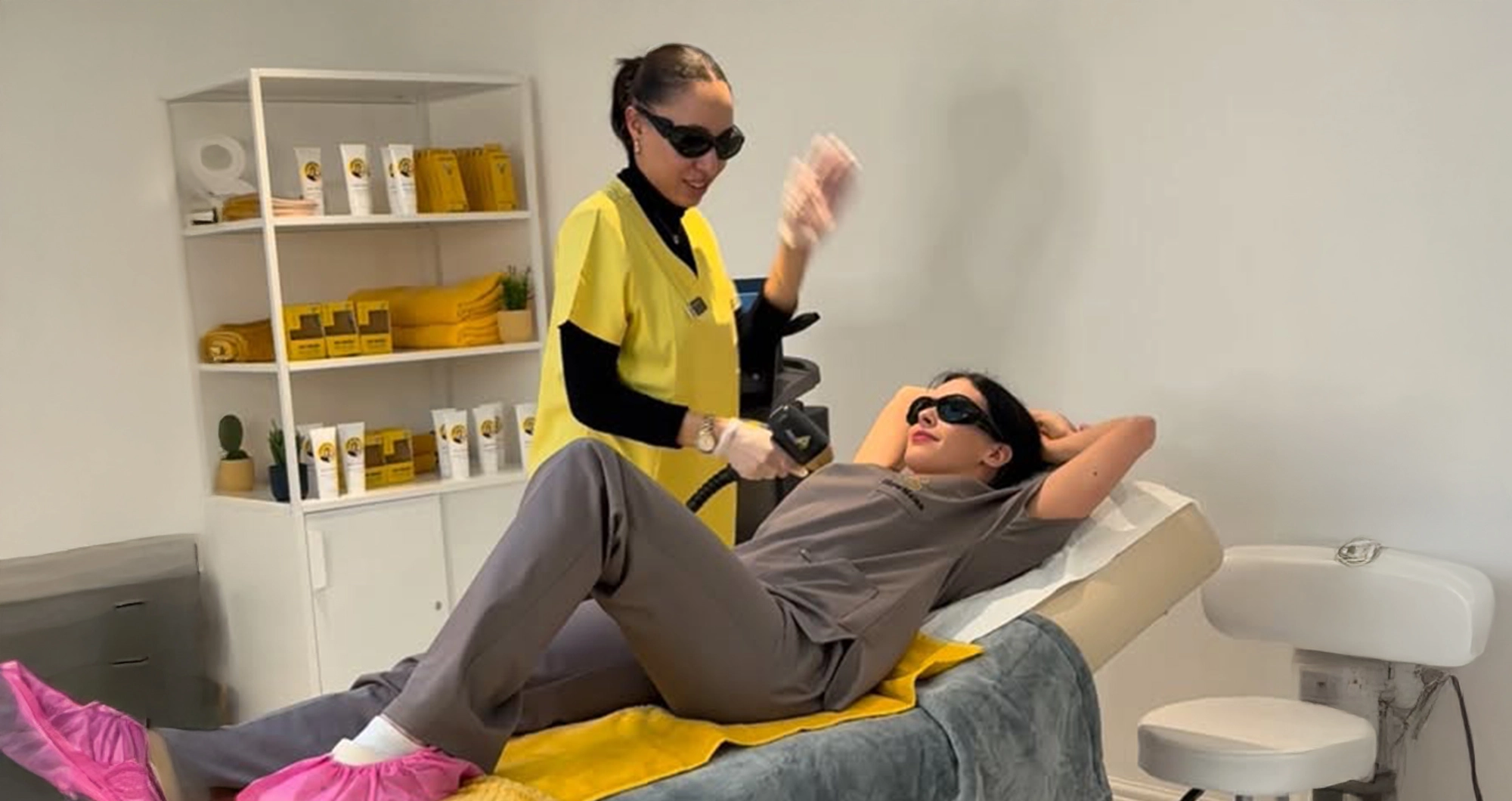
How Many Laser Sessions Do You Need for PCOS?
PCOS laser hair removal takes more than 6 sessions here's exactly why, what happens at each stage, and when to book maintenance. Honest guide from Laser Me Out.
read more
Laser Hair Removal
March 6, 2026

I Started a Laser Clinic Because of My Own PCOS Hair Here's My Story (and What Actually Works)
Laser Me Out founder Shireen has PCOS. Here's her honest story, why laser changed everything, and what PCOS clients need to know before starting treatment.
read more
Laser Hair Removal
February 27, 2026

PCOS Hirsutism Explained Why the Hair Keeps Coming Back
Struggling with PCOS hair growth? Learn why hirsutism keeps coming back and how laser can help reduce regrowth long term
read more
Laser Hair Removal
February 11, 2026

Laser Hair Removal Side Effects — Myths, Facts & FAQs
Worried about laser side effects? We debunk myths and share real safety tips for all skin types.
read more
Laser Hair Removal
February 6, 2026

Hair Removal Myths, Busted
Hair removal myths, debunked. The truth about shaving, waxing, laser, creams, and regrowth, plus how to prep for laser properly.
read more
Laser Hair Removal
January 30, 2026

Is Laser Hair Removal Worth It? Real Costs vs Waxing & Shaving (With Math)
Tired of waxing and shaving? Discover if laser hair removal is worth the cost with a real 5-year price breakdown, expert insight, and long-term benefits.
read more
Laser Hair Removal
January 23, 2026

Why Laser Hair Removal Doesn’t Work for Some People (And What Actually Helps)
Laser hair removal not working? Learn the real reasons (machine, hormones, timing, prep), what to do next, and how to get better results in London. Includes pain, cost, and PCOS guidance.
read more
Laser Hair Removal
January 16, 2026
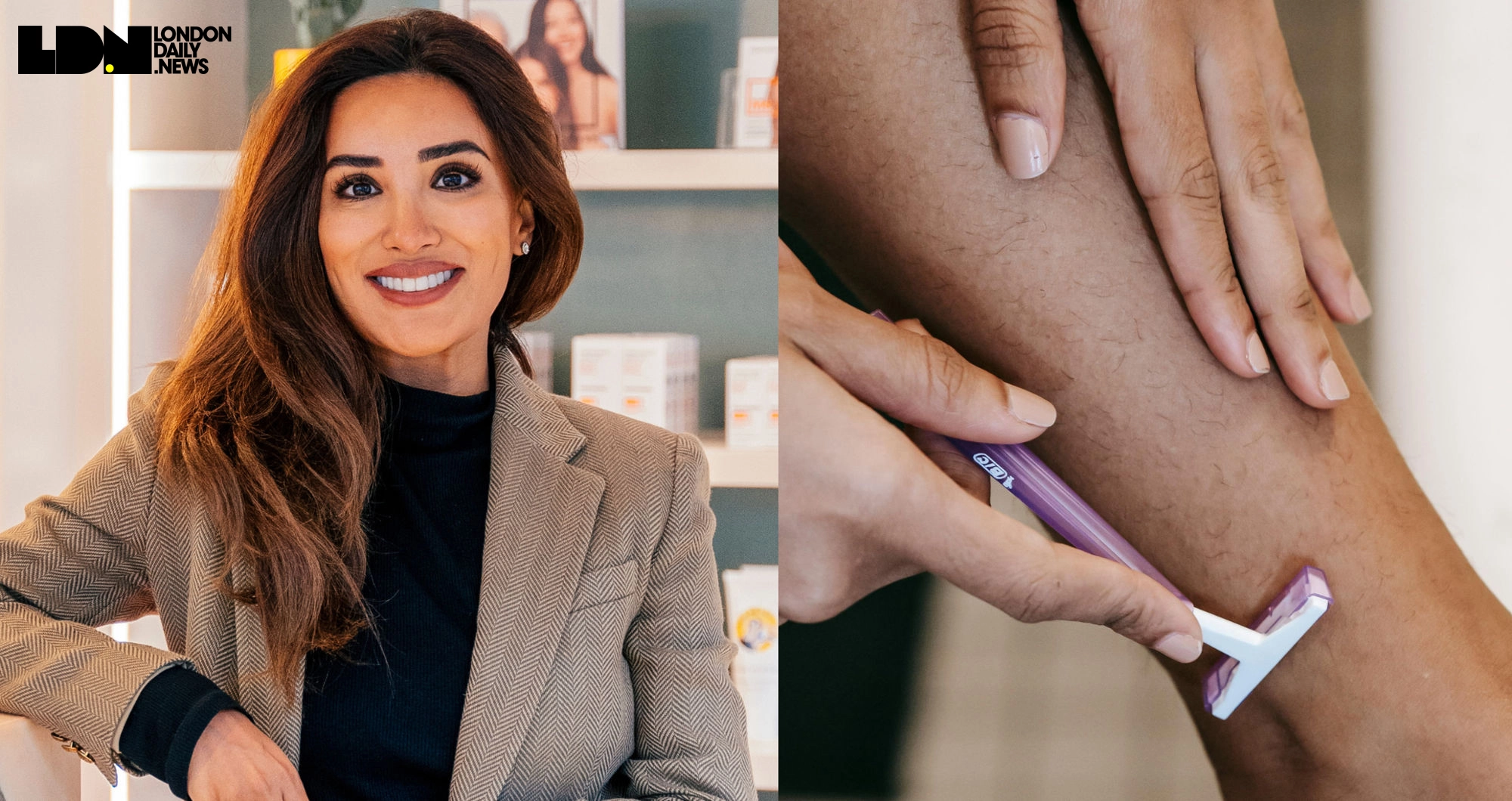
How to Prevent Strawberry Legs in Winter
Struggling with strawberry legs in winter? Learn what causes them and how to prevent bumps and ingrowns, with expert advice and long-term solutions.
read more
Laser Hair Removal
January 15, 2026

Soprano Titanium vs Other Lasers for Darker Skin Safety & Results
A clear guide to Soprano Titanium vs other laser machines for Asian and darker skin. Real safety notes, comfort differences, and what to expect at Laser Me Out.
read more
Laser Hair Removal
January 2, 2026

Laser Hair Removal Timeline If You Start in January
Starting laser in January? See when results show, when shedding happens, and what to expect after each session.
read more
Laser Hair Removal
December 26, 2025
.webp)
Start now, stay consistent, be ready for warmer weather.
Winter is the easiest time to start laser in the UK. Less sun, fewer tanning plans, and it’s easier to stay consistent. Here’s the 6-session timeline, what to avoid, and how to plan around holidays for better results.
read more
Laser Hair Removal
December 19, 2025
Red bumps on your bum? Here’s what they usually are and how to clear them
Bum spots are common, and they’re not always “acne”. Most of the time, they come from irritated hair follicles, ingrown hairs, friction, sweat, or KP (those tiny texture bumps)
read more
Laser Hair Removal
December 12, 2025
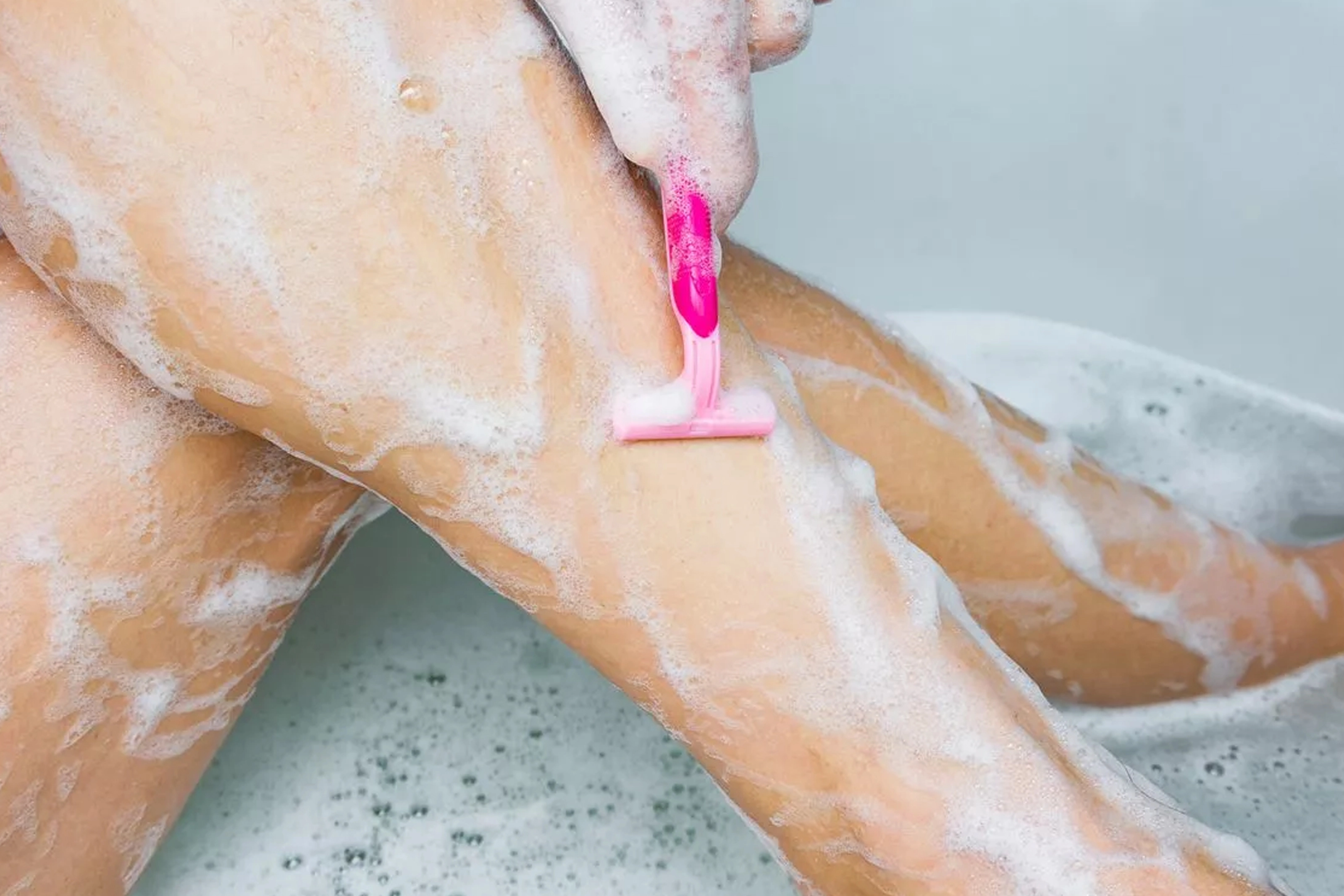
The common shaving mistake that can damage your skin
Using a dull razor can cause razor bumps, ingrown hairs, itch, and dark marks. Here’s how to shave the right way, plus aftercare tips and long-term options.
read more
Laser Hair Removal
December 5, 2025

Laser Me Out is now open in Birmingham
Safe laser hair removal on Hagley Road using Soprano Titanium, with honest plans for all skin tones and hormonal hair.
read more
Laser Hair Removal
November 21, 2025
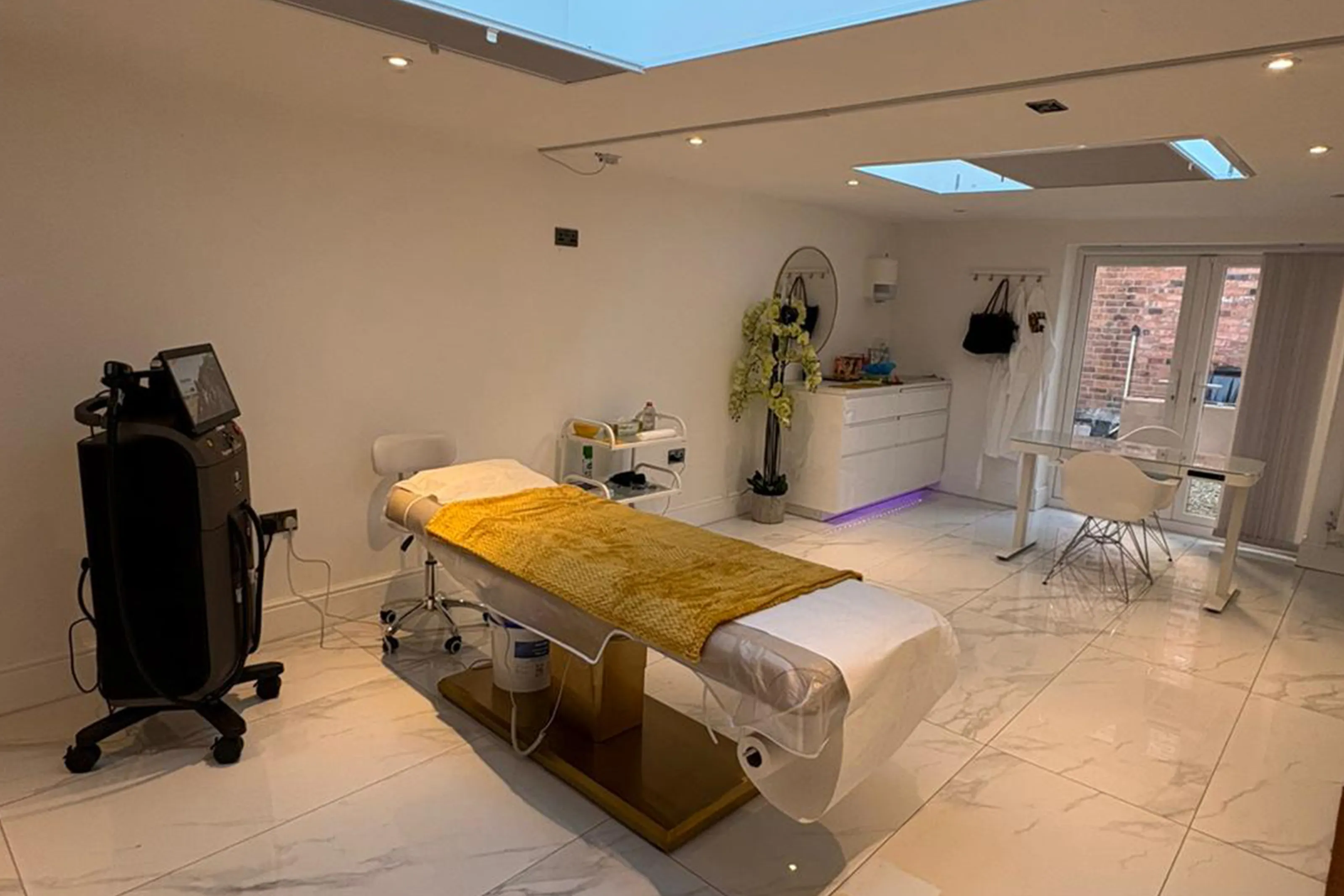
Laser Hair Removal Birmingham on Hagley Road
Laser Me Out has opened on 271 Hagley Road, offering safe laser hair removal for all skin tones. Book a free consultation at our new Birmingham clinic.
read more
Laser Hair Removal
November 14, 2025

Laser Hair Removal in Winter: Why It's the Best Time to Start.
Winter is the best time to start laser. Here’s how to prep your skin for smooth results. Birmingham branch opening soon with our biggest sale of the year. Book your free patch test now.
read more
Laser Hair Removal
October 17, 2025

Does Laser Hair Removal Work for PCOS?
Struggling with hormonal hair from PCOS? Laser Me Out explains how laser hair removal reduces growth safely across all skin tones, with real results and no hype.
read more
Laser Hair Removal
October 3, 2025

Laser Hair Removal Myths Busted Safe, Pain-Free, and Long-Lasting Results
Laser hair removal myths busted safe, pain-free, and effective for all skin tones with Soprano Titanium at Laser Me Out London. Book your consultation today.
read more
Laser Hair Removal
September 26, 2025

What Happens at Your First Laser Hair Removal Consultation
Nervous about your first laser consult? Here’s what happens step by step, from skin check and patch test to plan, safety, and results.
read more
Laser Hair Removal
September 19, 2025

Hollywood laser hair removal: cost, pain, sessions, and what's included
Hollywood laser hair removal in London: cost, pain, sessions, what's included. 6 session (RRP £650). £50 consult redeemable. Soprano Titanium.
read more
Laser Hair Removal
September 12, 2025

Best Laser Hair Removal for Indian Skin (Safe & Effective Options in the UK)
Wondering which laser hair removal works best for Indian skin? Learn why Nd:YAG 1064 is the safest choice, how diode and SHR lasers compare, and what to avoid. Expert guide for Fitzpatrick IV–V skin types.
read more
Laser Hair Removal
September 5, 2025

Laser Hair Removal for Men in London - Does It Work?
Does laser hair removal work for men? Sessions, results, beard line bumps, darker skin safety, aftercare. London clinic answers. Book a free consult.
read more
Laser Hair Removal
August 29, 2025
Men’s Laser Hair Removal London | Back, Chest & Beard Line
Explore men’s laser hair removal in London. Treat back, chest, and beard line, fix razor bumps, and get smooth, gym-ready skin.
read more
Laser Hair Removal
August 22, 2025

Lifetime Laser vs Razors & Waxing: What Really Costs More in the UK
Compare lifetime laser hair removal with razors and waxing. See 5- and 10-year UK costs, pros and cons, myths, and who lifetime packages suit.
read more
Laser Hair Removal
August 15, 2025

Shaving Routine for Sensitive Skin, Eczema and PCOS: Laser-Safe Guide
Learn the best shaving routine for sensitive skin, eczema and PCOS. Step-by-step tips to prevent bumps, soothe irritation, and prep safely for laser hair removal.
read more
Laser Hair Removal
August 8, 2025

Holiday Laser: Is It Safe to Leave the Country Between Sessions?
Planning a holiday during your laser hair removal course? Learn how sun exposure, tanning, and missed sessions affect results, plus timelines for safe treatment before and after your trip.
read more
Laser Hair Removal
August 1, 2025
Complete Guide to Laser Hair Removal for Asian Skin (Fitzpatrick IV–V)
Safe, effective laser hair removal for South Asian and melanin-rich skin. Learn which lasers work best for Fitzpatrick IV–V, what to avoid, and how Soprano Titanium delivers smooth results without the risks.
read more
Laser Hair Removal
July 25, 2025

IPL vs Laser: What's the Real Difference?
Unsure whether at-home IPL or professional laser hair removal is best? Discover what's truly effective, safe, and worth your time and moneynwith insights from Laser Me Out.
read more
Laser Hair Removal
July 18, 2025

Best Laser Hair Removal for Dark Skin in 2025
Discover the safest laser hair removal tech for dark skin in 2025. Learn why older lasers pose risks and why Laser Me Out’s Soprano Titanium ensures safer, faster, and effective results.
read more
Laser Hair Removal
July 11, 2025

Frustrated with Laser Hair Removal Results? Here’s Why It Might Not Be Working
Still seeing hair after laser treatments? You're not alone. Here's why your laser hair removal might not be working and what to do about it. Backed by facts, not fluff.
read more
Laser Hair Removal
July 4, 2025

Laser Hair Removal for Trans Women & Non-Binary Folks
Discover how laser hair removal at Laser Me Out can empower trans women and non-binary individuals by safely reducing unwanted hair, boosting comfort, confidence, and affirming your identity.
read more
Laser Hair Removal
June 13, 2025

Men’s Laser Hair Removal in the UK
Curious about laser hair removal? This 2025 guide covers what UK men need to know—results, comfort, and treating thick hair effectively.
read more
Laser Hair Removal
June 5, 2025

Why Isn’t My Laser Hair Removal Working?
8 reasons why your laser hair removal might not be working and the quick fixes you need! Book your consultation with Laser Me Out today.
read more
Laser Hair Removal
May 30, 2025

How to Shave Your Face Before Laser Hair Removal
Learn how to shave your face before laser hair removal step-by-step tips for everyone!
read more
Laser Hair Removal
May 23, 2025

5 Beginner Tips to Prepare for Your Laser Hair Removal Session
Prep for your laser hair removal with these 5 essential tips for a smooth, confident session! ✨
read more
Laser Hair Removal
May 16, 2025

What’s the Best Laser Hair Removal for South Asian Skin?
Looking for the safest laser for South Asian skin? Discover why Soprano Titanium is ideal for melanin-rich tones — with smooth results.
read more
Laser Hair Removal
May 9, 2025
5 Signs You Might Have PCOS
Learn the 5 key signs of PCOS, including irregular periods, acne, and excess hair growth. Discover symptoms, causes, and support options at Laser Me Out.
read more
Laser Hair Removal
May 2, 2025

Is Laser Hair Removal Safe During Pregnancy? Laser Me Out
Wondering if laser hair removal is safe while pregnant? Get expert advice, safe alternatives, and tips for mums-to-be. Read before your next appointment!
read more
Laser Hair Removal
April 25, 2025

Hair Removal for Redheads: What Actually Works in 2025
Being a redhead is magic – but dealing with body hair shouldn’t be a myth. Here’s how to go smooth in London (without sacrificing your soul or your skin).
read more
Laser Hair Removal
April 14, 2025

Why Laser Hair Removal Isn’t Working – Expert Insight from Cosmo & Laser Me Out
Featured in Cosmopolitan UK, Laser Me Out clears the confusion around laser hair removal. Discover what really works, why results vary, and how expert-led treatments make all the difference.
read more
Laser Hair Removal
April 4, 2025

Hollywood Laser Hair Removal: The Ultimate Guide to Smooth Confidence
Explore Hollywood laser hair removal with Laser Me Out! Permanent, smooth results for just £199. Safe for all skin tones. Book free consultation now.
read more
Laser Hair Removal
March 21, 2025

Bikini Hair Removal Guide | Find the Best Method for You
Discover the pros and cons of shaving, waxing, sugaring, and laser hair removal. Learn how to find the best bikini hair removal method for your skin and lifestyle!
read more
News
March 14, 2025
.webp)
Spring Glow: Say Hello to Smooth, Radiant Skin!
Spring is here, and it's time to refresh, renew, and glow! ✨ Get ready for smooth, hair-free skin just in time for summer with our exclusive March laser hair removal offers. Plus, meet the newest faces at Laser Me Out and discover what makes our expert team special. 💛
read more
Laser Hair Removal
March 8, 2025

Top 3 Popular Laser Hair Removal Areas for Women
Discover the most popular laser hair removal zones for women, from bikini lines to legs, and learn why more women are choosing laser over traditional methods.
read more
Laser Hair Removal
February 27, 2025

Where Is the Most Painful Area for Laser Hair Removal?
Curious about how painful laser hair removal really is? In this guide, we rank the most sensitive areas for laser hair removal, compare pain levels with other hair removal methods, and share tips to minimize discomfort. Learn why laser hair removal is still worth it and how you can prepare for a smoother, less painful experience.
read more
Laser Hair Removal
February 21, 2025

Is Laser Hair Removal Really Permanent? Here’s What You Need to Know
Wondering if laser hair removal results last forever? Discover how it works, what affects permanence, and why maintenance is key for smoother skin. This blog breaks down the science behind laser treatments, the hair growth cycle, and what you can realistically expect from laser hair removal—plus, why Laser Me Out is your top choice in London.
read more
News
February 14, 2025

Double the Love: Everything You Need to Know About Our Valentine’s Laser Offers 💖
This Valentine’s, Laser Me Out offers a Buy One, Gift One Free laser hair removal deal, letting you share smooth, hair-free skin with a loved one. Enjoy discounts like Full Legs Laser (6 Sessions) for £199 and Beard Line Laser (6 Sessions) for £99. Suitable for all skin tones, our pain-free treatments provide lasting results. Offer ends 14th February at 9 PM.
read more
Laser Hair Removal
November 25, 2024

How does Electrolysis help with Menopause?
Menopause refers to a naturally occurring stage in a woman’s life when her menstrual periods cease permanently and she can no longer get pregnant. It is a period of drastic change for women and can affect them in a multitude of ways, leading to disruptions in their daily life. As the effects of menopause are not limited to the physical changes, it can directly influence their mental health and their overall wellbeing.
read more
Laser Hair Removal
November 15, 2024

Laser vs Electrolysis: What’s best for you?
Looking at getting hair removal but not sure which is the best for you? Laser and Electrolysis are the two main hair removal treatments on the market. With the introduction of Electrolysis at Laser Me Out we want to ensure you are fully armed with information to make the best choice for yourself!
read more
Laser Hair Removal
November 5, 2024

Sustainability: Everything We Are Doing to Improve Our Environmental Footprint
Sustainability is at the heart of everything we do. We’re working towards integrating eco-friendly practices into every part of our daily operations, from our treatments to our front desk. Actively committing to making new responsible choices, our team is focusing on creating new ways to implement positive changes that reflect a more sustainable mindset. Together, we’re continuously finding ways to reduce our impact and support a healthier planet.
read more
Laser Hair Removal
October 25, 2024

Winter is best season to start your Laser Hair Removal Journey - Here’s Why
It’s that time of the year again. The days are shorter, nights are longer and the sun is an elusive stranger barely to be seen. While that might not sound like the ideal time for most things, it’s actually the perfect time to start your laser hair removal journey! Why? Let’s break it down.
read more
Laser Hair Removal
October 20, 2024

Why are more men choosing Laser Hair Removal
If you are reading this article, Congratulations! You have taken the first step towards making your life easier. We know you have heard about Laser Hair Removal and are curious to try it too. And why shouldn't you, waxing and shaving are as painful and time consuming for men as it is for women. In fact, men tend to have thicker and coarser hair, often in hard to reach areas. Laser Hair Removal has emerged as a popular alternative to these traditional methods over the last couple of years with more and more men acknowledging the long list of benefits. Let’s get into detail.
read more
Laser Hair Removal
October 15, 2024

Laser Hair Removal - A Detailed Guide for Transgender People
Laser hair removal is an excellent tool for transgender individuals seeking efficient and long term solutions for removing unwanted hair from their body. Whether you are undergoing transition with or without hormone replacement therapy (HRT), laser hair removal can play a crucial role in helping you achieve your desired look and align it more closely with your gender identity.
read more
Laser Hair Removal
October 15, 2024

I Am Trans: Can I do laser hair removal
Laser hair removal is one of the most effective solutions for trans individuals seeking to remove unwanted body or facial hair, especially for those undergoing hormone therapy. Excess hair can significantly impact self-esteem and mental health, and for many in the trans community, areas of concern often include the face, chest, legs, and intimate regions, particularly after Hormone Replacement Therapy (HRT).
read more
Laser Hair Removal
October 10, 2024

Let’s talk Science: How does Laser Hair Removal actually work?
Starting anything new is always challenging, and starting your laser hair removal journey can be particularly daunting for a multitude of reasons. A quick search on Dr. Google and your screen floods with countless options, endless clinics and constantly evolving technology. There are so many questions - Is it painful? Is it going to work on my skin? Will it get rid of the hair permanently? How are these machines different? How does a laser actually work?
read more
Laser Hair Removal
August 19, 2024

My Personal Journey to Tan-Friendly Laser - Embrace Summer with Confidence!
It's summer time! The kids are in school and the sun is shining! Can we all agree that a fresh, sun-kissed tan makes everyone look and feel so good after a holiday? Personally, I love how a tan makes me look radiant and gives me a makeup-free glow.
read more
News
August 19, 2024

Major Clinics Shutting Down: How Can You Trust Paying Upfront for a Course?
Recently, the collapse of the high-street clinic chain SK:N has shocked many. The clinic, with 70 branches across the UK, has abruptly ceased trading, leaving numerous customers and staff in distress. Many individuals are now left out of pocket, waiting for treatments they’ve paid for but not yet received, or unpaid wages. This situation underscores the growing concern about the safety and reliability of paying upfront for cosmetic procedures.
read more
Laser Hair Removal
July 19, 2024

Say goodbye to ingrown hairs and pigmentation
Being young, dumb, and broke, I never used to know much about skincare, scarring, or how to manage breakouts. I never had enough money to start my laser journey and always used to pick my spots and ingrown hairs, which resulted in post-inflammatory pigmentation and textured skin. I always felt ashamed to show my skin at the beach, and it made me feel abnormal compared to my friends, as I had loads of dark marks around my bikini area.
read more
Laser Hair Removal
July 18, 2024

How to Treat Dark Underarms
Growing up, I used to have dark underarms and always thought it was either genetic or a problem with my skin colour in that area. Coming from an Asian family, my mum obviously told me to use lemon and scrubs on them, but that did not help. Shaving and waxing didn’t do the trick either.
read more
Laser Hair Removal
April 8, 2024

So many clinics, countless laser options - how to choose the right one for me?
With so many clinics opening every week and a vast array of laser options available, it can be challenging to know which laser is right for you and which clinic to choose.
read more
Skin
April 8, 2024

Say goodbye to pain with our pain-free laser hair removal!
Are you one of those who shudder at the mere mention of hair removal? If the very thought sends you into a spiral of apprehension, it's time to breathe a sigh of relief.
read more

contact us
let´s talk hair. dm us today.
We’re obsessed with fuzz-free living and love to share our knowledge and expertise. Don’t be shy! Ask us anything.
London´s prime location
Laser all day baby - hours that work for you! Situated at 146 MARYLEBONE Rd., London NW1 5PH
MON
9.00 - 21.00
TUE
9.00 - 21.00
WED
9.00 - 21.00
THU
9.00 - 21.00
FRI
9.00 - 21.00
SAT
9.00 - 21.00
SUN
9.00 - 21.00

Birmingham´s prime location
Laser all day baby - hours that work for you! Situated at 271 Hagley Rd, Birmingham B16 9NB
MON
9.00 - 21.00
TUE
9.00 - 21.00
SAT
9.00 - 21.00

